“It’s about respect. I would not deny a person the opportunity to cook BBQ. What I would ask is that they pay tribute to that form. Food that is honest is more important than food that is authentic.” -Southern food expert John Thomas Edge Junior.
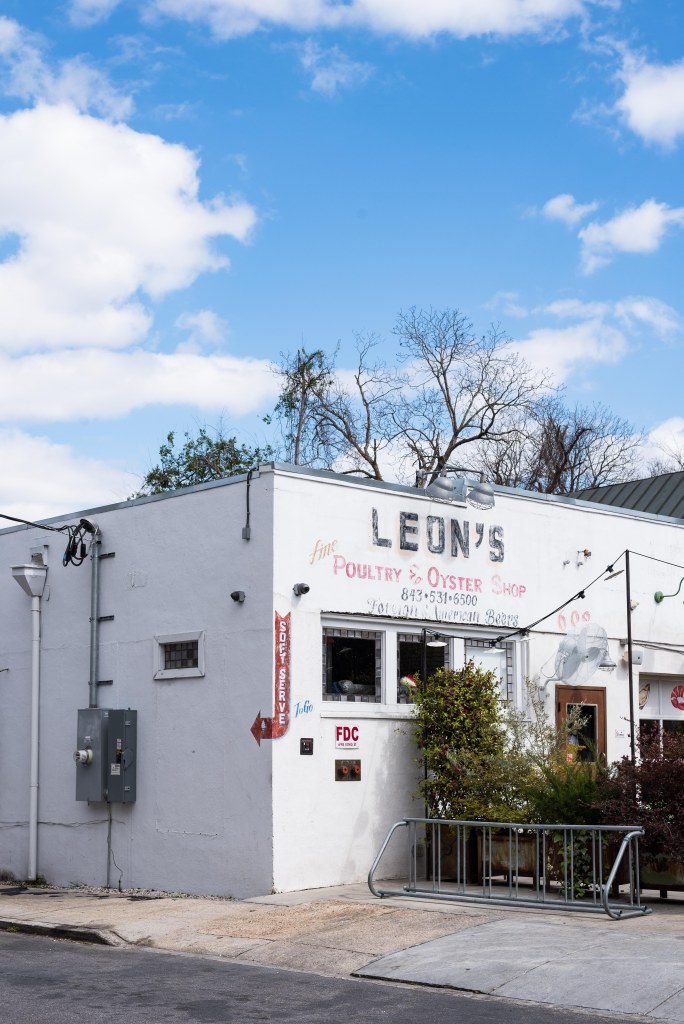
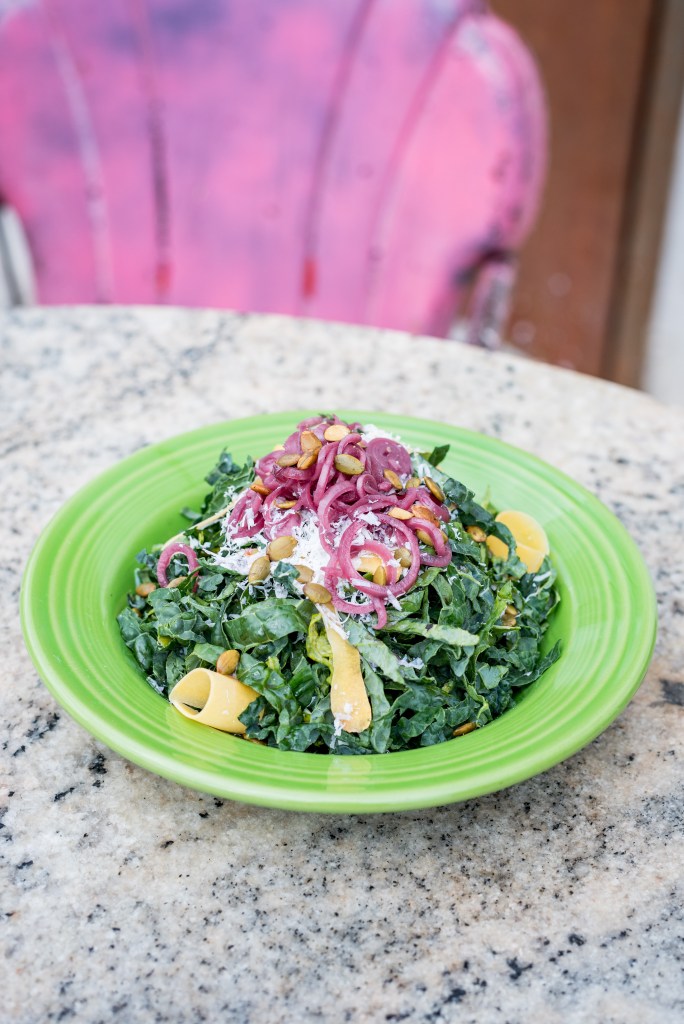
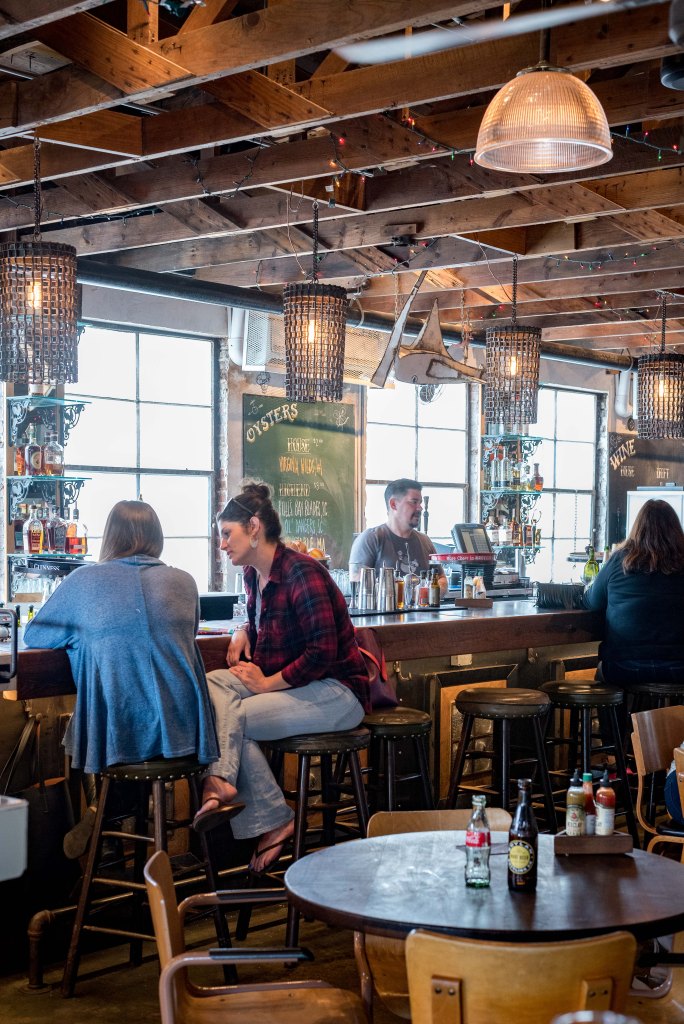
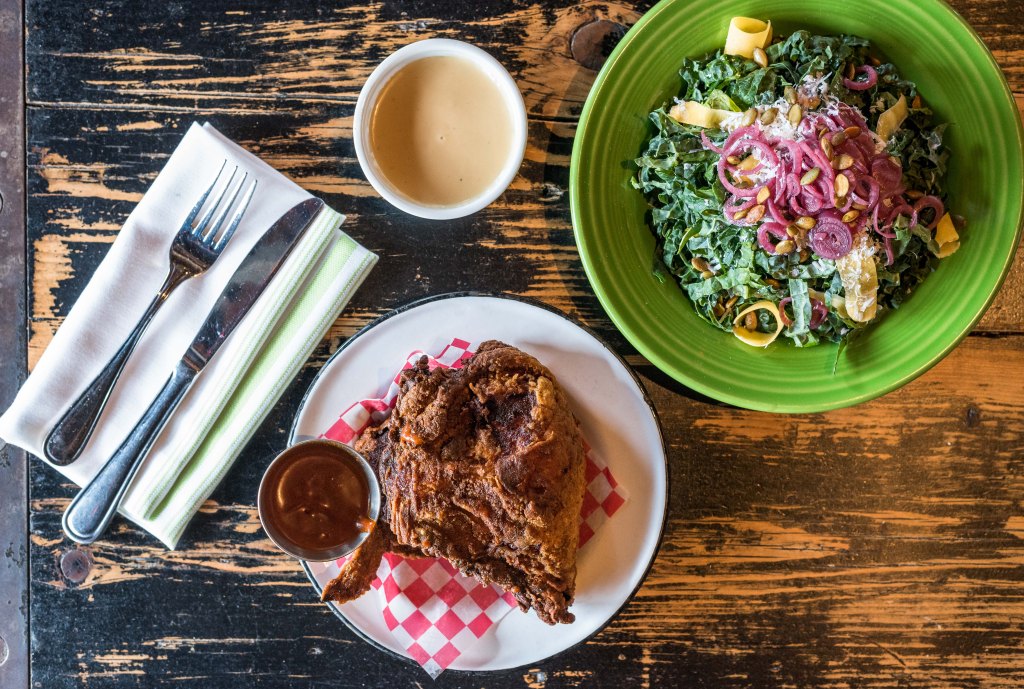
In my search for Charleston’s best fried chicken, Leon’s Oyster Shop was top of my list. But I wondered, “Could a restaurant that offers a mean kale salad also make the most authentic fried chicken in town?” What I’ve come to learn is that the chef behind the best of any given dish doesn’t HAVE to be of the same ethnic descent associated with the food they’re cooking or have been perfecting the recipe since they exited the womb. Appropriating the food of other cultures often results in frowns and furrowed brows, but without cross-cultural collaboration, how would we ever exchange ideas, let alone perfect a dish? I think an expert on fried chicken can also be a kale connoisseur, so long as they own up to the fact that it is their interpretation on a dish that holds greater historical significance for a culture different from their own.
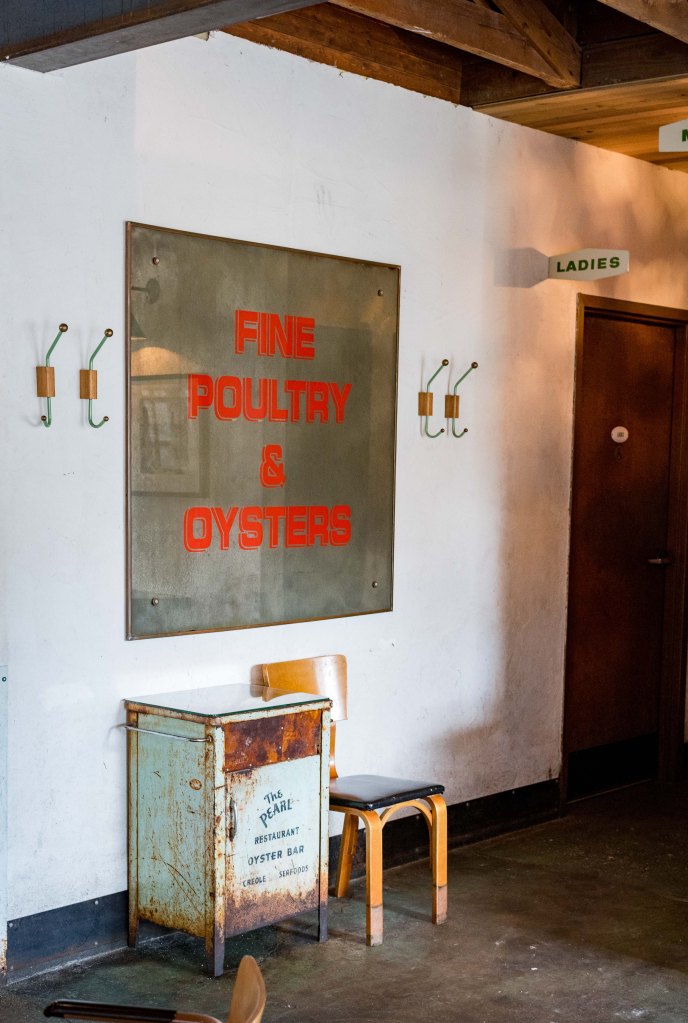
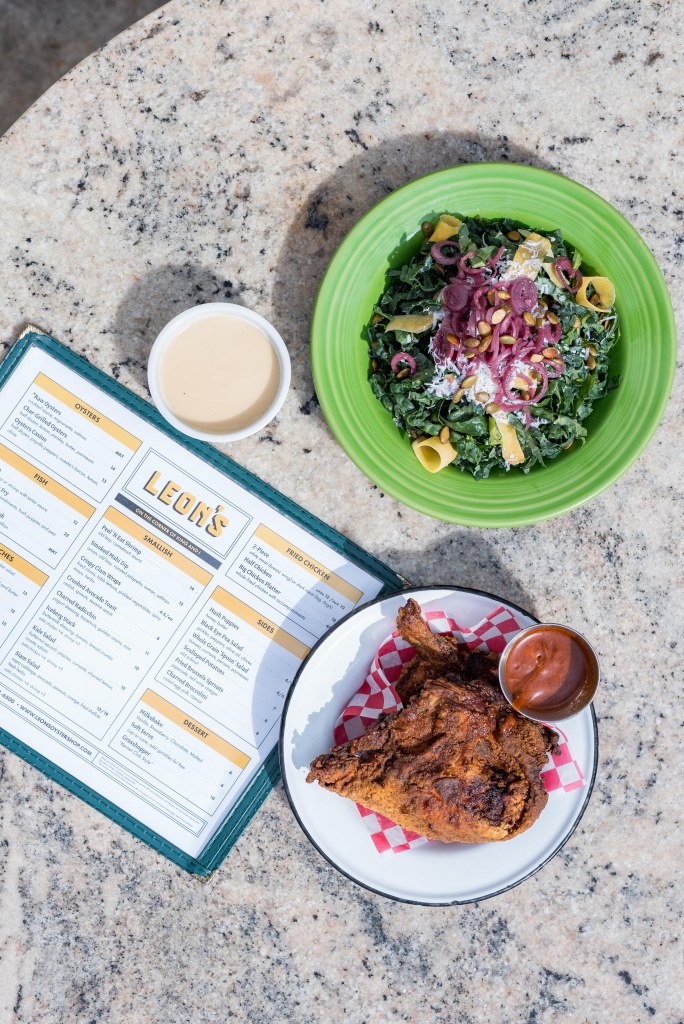
Growing up in Canada, the United States’ seemingly less racially-divided neighbour, I always associated fried chicken with the bucket of KFC served at my childhood birthdays. Then I moved to Brooklyn and learned very quickly that fried chicken can mean so much more; that the crispy, cholesterol bomb could stand as a symbol of neighbourhood pride and cultural legacy. Thanks to the popularity of my local bodega’s fried chicken next to my apartment, it was the first thing I would smell when leaving my building, and its bones scattered on the sidewalk, the first visual I would come home to at the end of the day.
Then I headed South and learned that fried chicken isn’t just cultural, it’s political. I’m now careful in how I approach all foods that come laden with histories of racial stereotypes. Do you think about the cultural significance of the foods you eat? Do you consider the associations made between ethnicities and particular dishes/cuisines? Food is a signifier of privilege and if we ever want to understand each other (and get along), I think it’s the perfect place to start.
 The Nourishing Chronicle