As a Canadian-Korean raised in a might-as-well-be-British family, my knowledge of banchan has been limited to typical variations of kimchi (on a good day I might be able to identify a mushroom or two). Like most North American diners, banchan (those complementary sides that accompany a Korean meal) has always been a bit of a mystery to me. Then comes along Atoboy, reinventing banchan in ways I didn’t even know think possible, and suddenly going out for Korean is less of a confusing dialogue with my waiter resulting in an identity crisis and more of an adventure, one in which I learn along the way.
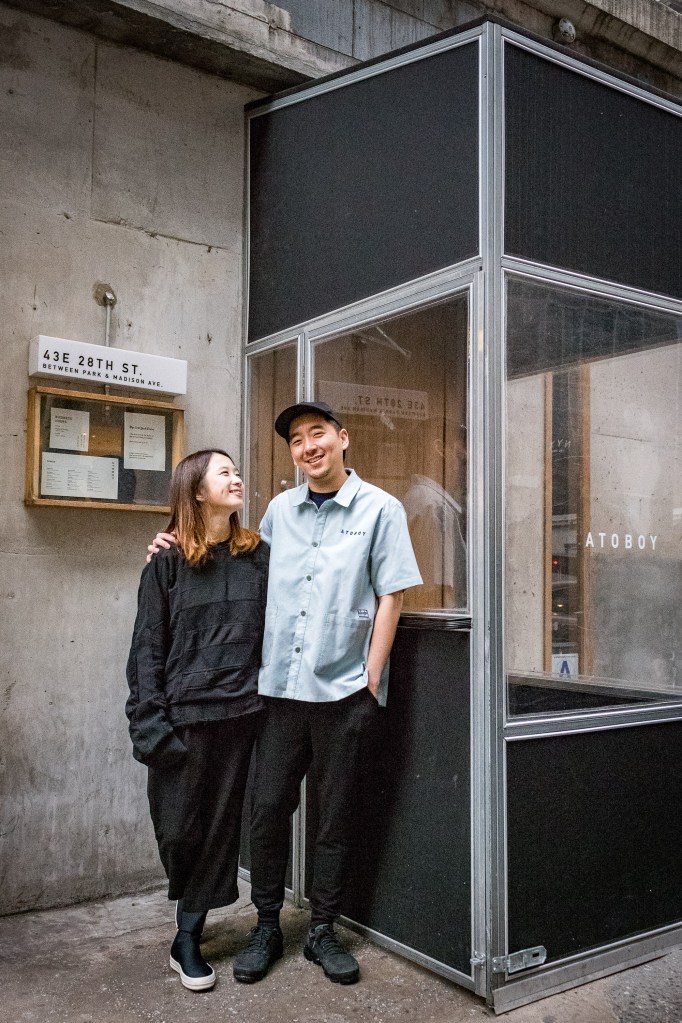
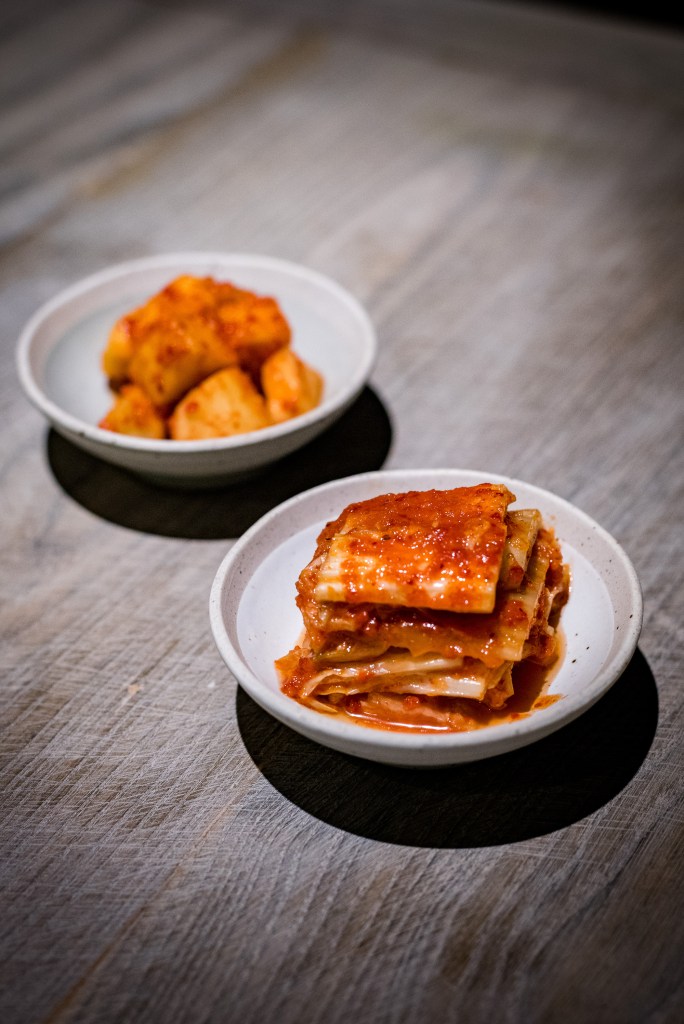
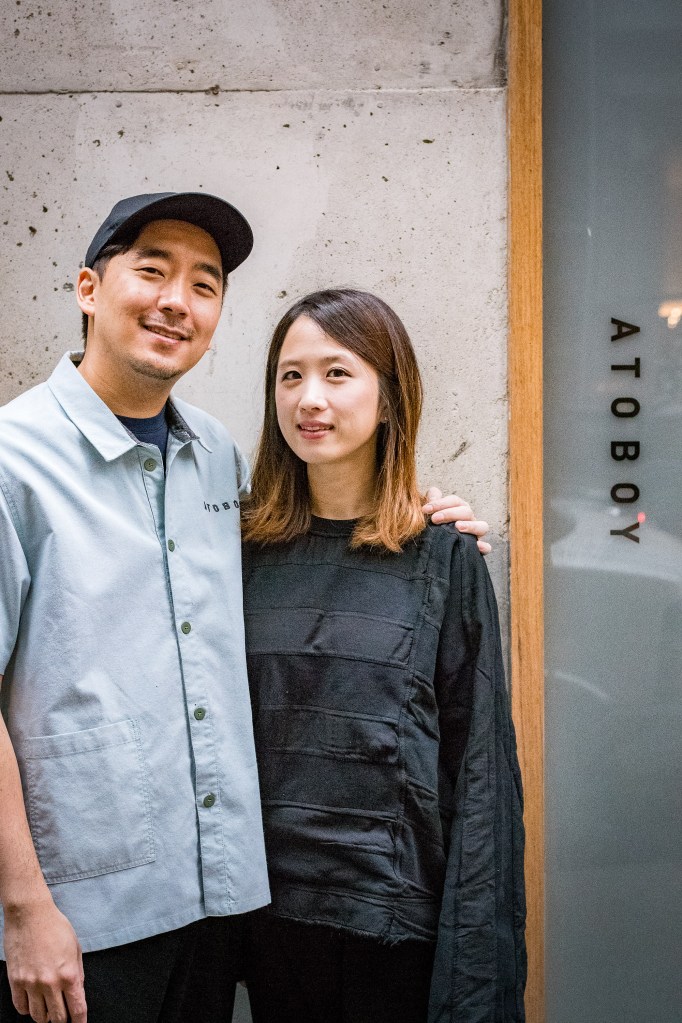
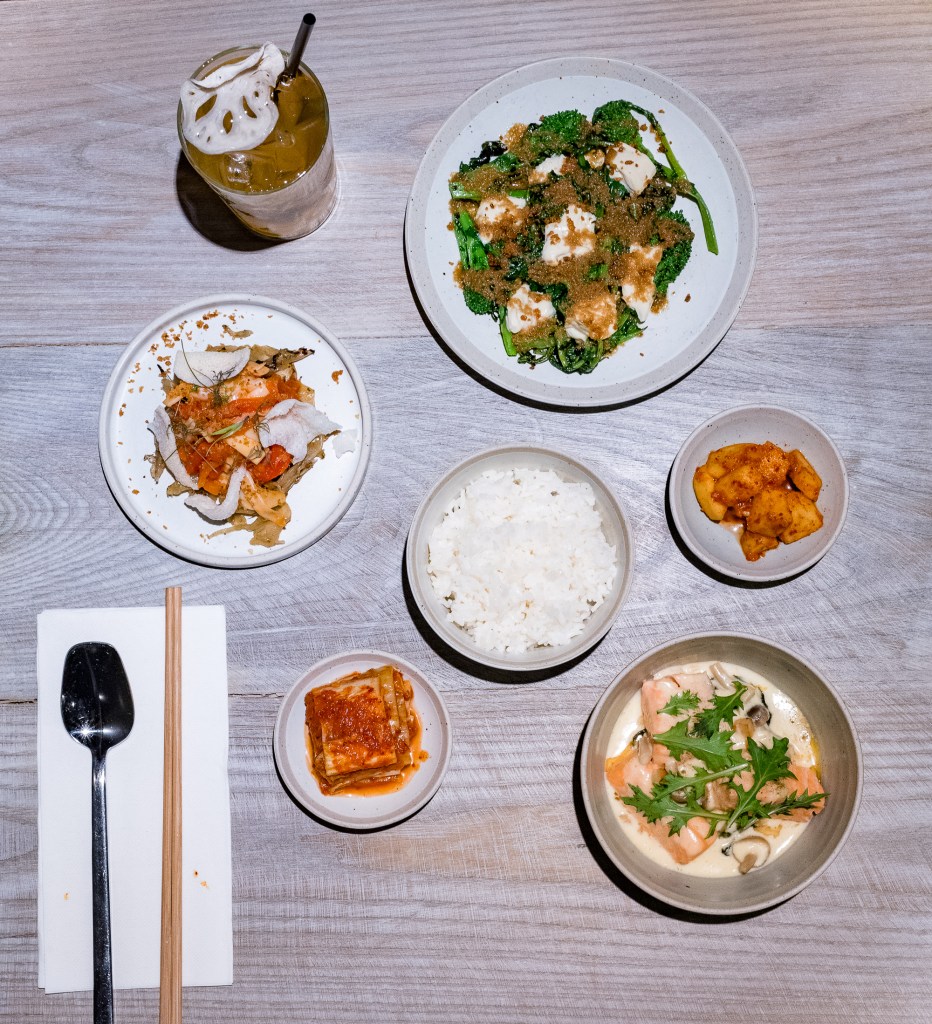
One taste of chef Junghyun Park’s inventive creations and it becomes clear that banchan has been underappreciated for too long, and while Americanized versions of Korean barbeque have their place in Western gastronomy, Korean cuisine clearly has more to offer. Take the Broccoli Rabe–simply sautéed with shallots and olive oil, given body and complexity with bagna cauda: an Italian anchovy dip, and dubu skin: a silky Korean tofu.
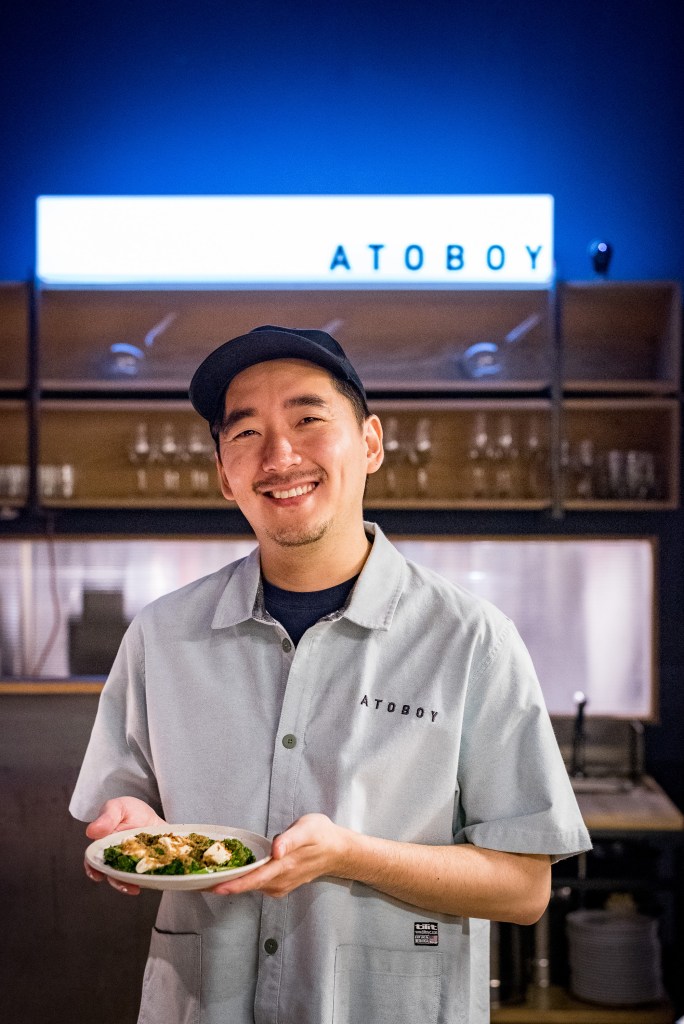
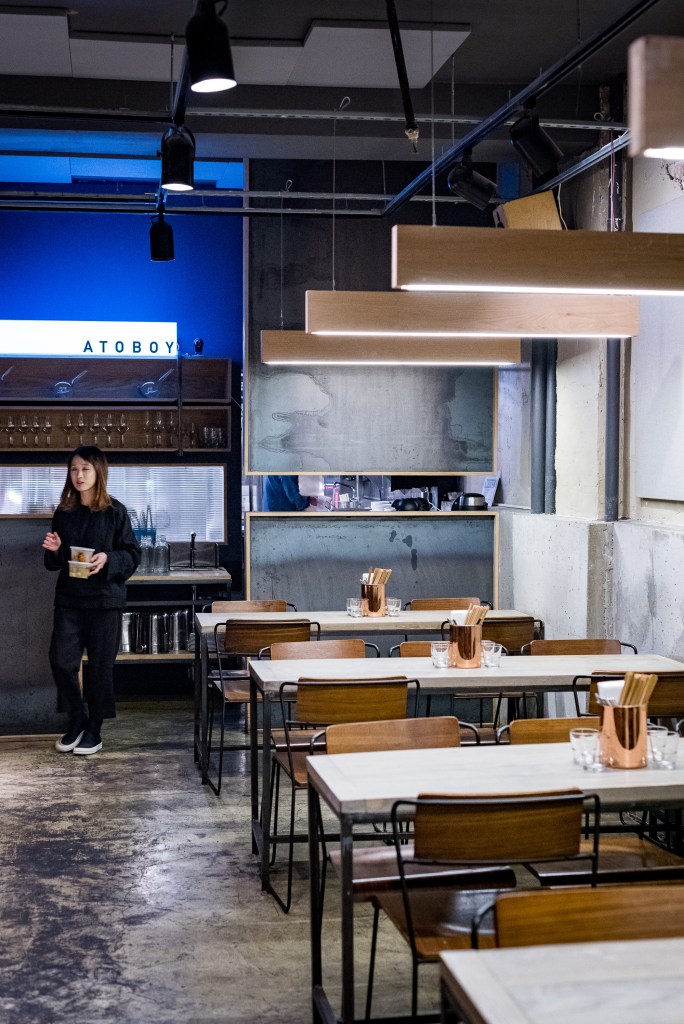
“‘Ato’ – means ‘gift’ in ancient Korean. So, Atoboy, being our first restaurant, means for us a place where we can deliver our take on modern Korean cuisine and culture as our ‘gifts’ to our guests,” Mr. Park tells me. “For many non-Korean, and also several Korean diners, banchan has often been thought of as small side dishes. What many don’t realize is that banchan can mean more than just meaningless side dishes. It’s actually what makes a Korean meal uniquely Korean.”
 The Nourishing Chronicle