After visiting many taquerias in Mexico, my expectations for Texan tacos were admittedly low. I arrived in Austin to find myself at a crossroads- do I embark on a potentially unsuccessful mission to find that “authentic” hole-in-the-wall spot serving the best Mexican food this side of the border? Or do I cave and experience Tex-Mex with the mindset that it’s not really “Mexican” at all?
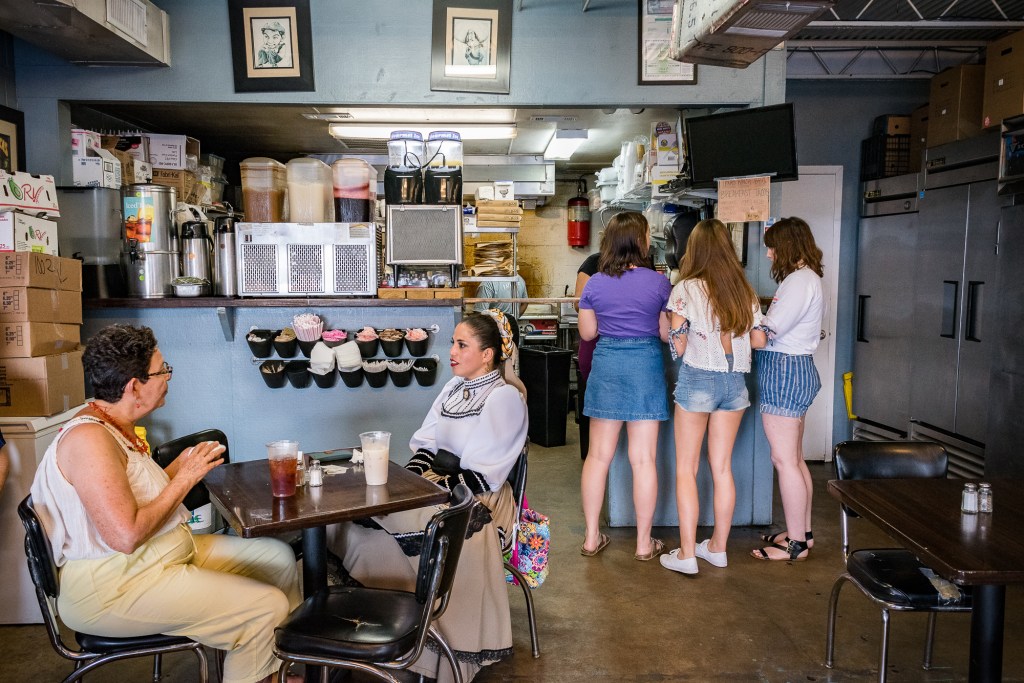
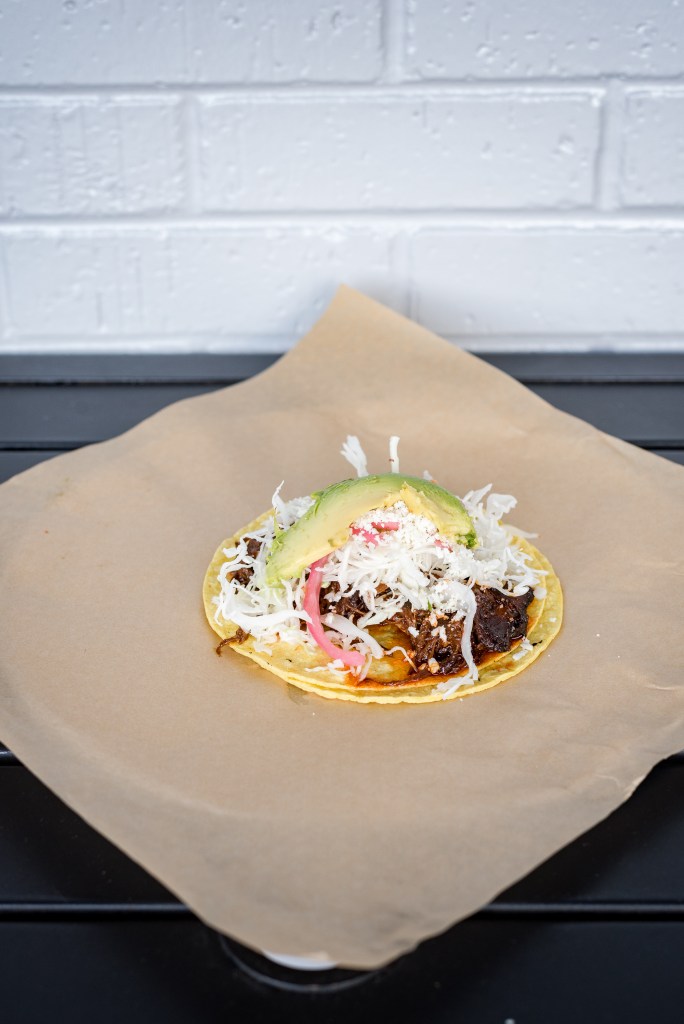
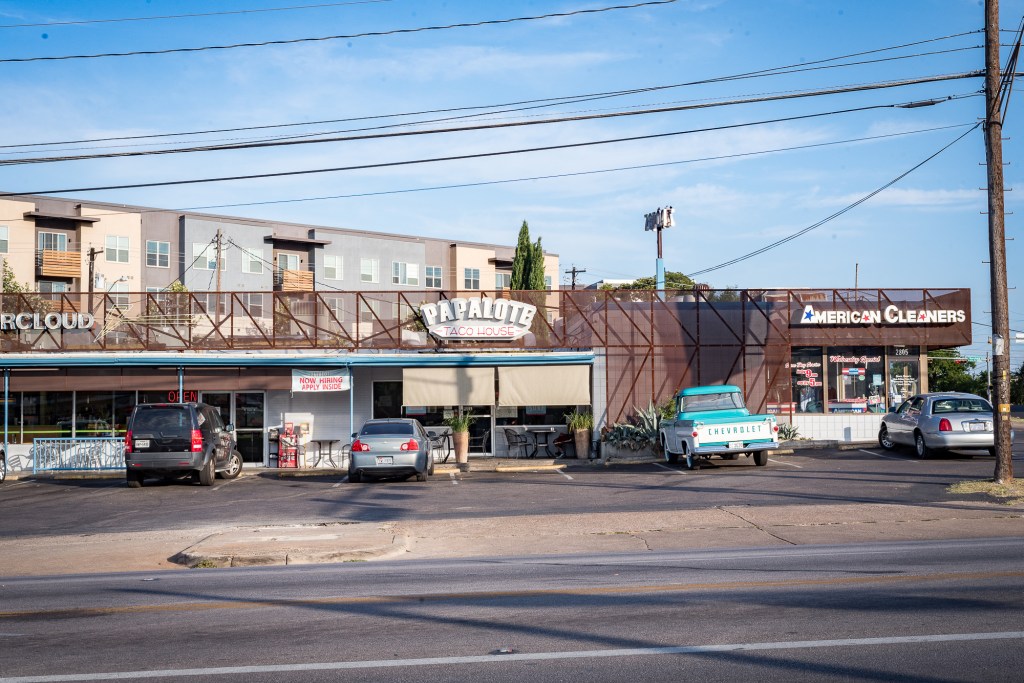
Doubtful and defeated, I went with Tex-Mex and ironically discovered the very experience I’d given up on. From the outside, Papalote looked like your typical Mexican-American fast-casual spot, with its commercial branding and strip-mall location. But upon giving the menu a second glance, I realized this joint is not serving up typical Tex-Mex fare. Guajolete en mole: shredded turkey, sweet mole poblano, cabbage, pickled onions, avocado and of course, queso fresco. How could a Tex-Mex chain make tacos so similar in freshness and creativity to the street tacos of Mexico City? One bite of a taco unlike any I’d tasted before and I just had to know the restaurant’s origin story. I needed to mentally categorize this cuisine before I could go home satisfied.
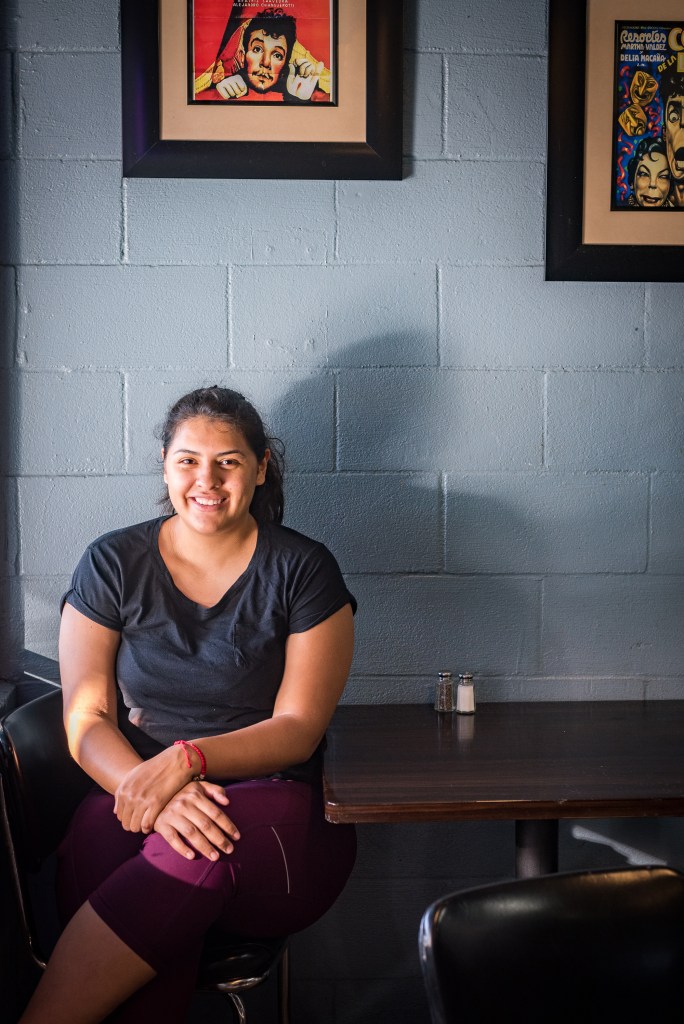
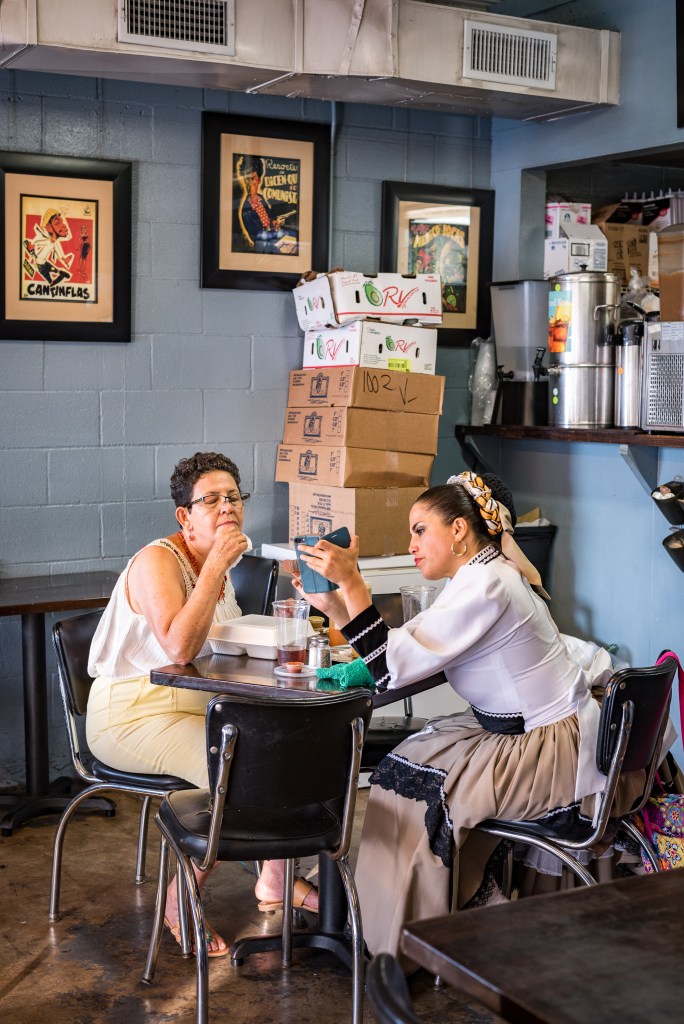
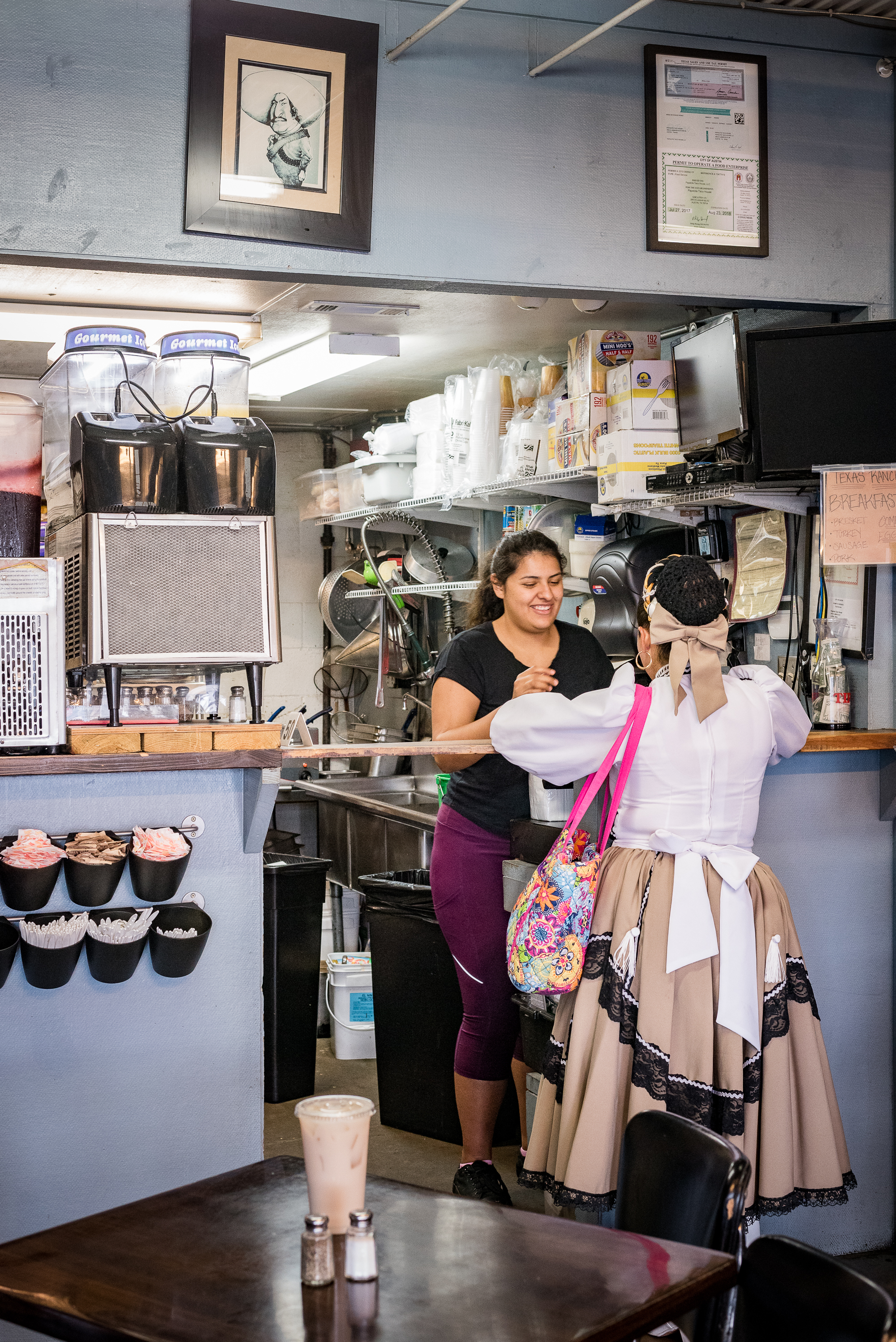
The cashier Gala told me her father and uncle opened the first Papalote in 2010 out of a desire to offer a casual alternative to their sit-down restaurant Azul Tequila. The taqueria allowed the brothers to honour the cuisine of their hometown, Tejupilca, by revisiting the recipes of their grandmother. Papalote quickly became known for their breakfast tacos, which included both traditional renditions as well as American adaptations (think brisket and sausage).
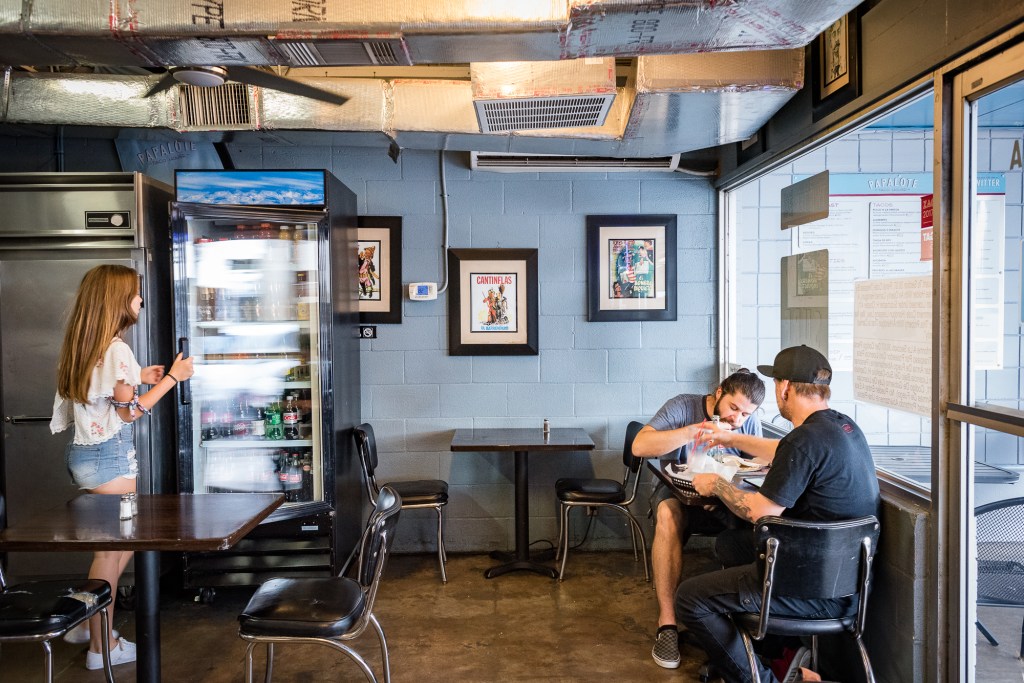
Of course, I had to ask if the tortillas were handmade. Gala said they were when Papalote first opened, but eventually they became so busy that the laborious task was no longer feasible. Still, the made-to-order tacos were fresh and innovative. I walked away, my mouth enlightened. My mind clicked in a few minutes after my palate- it was Mex-Tex.
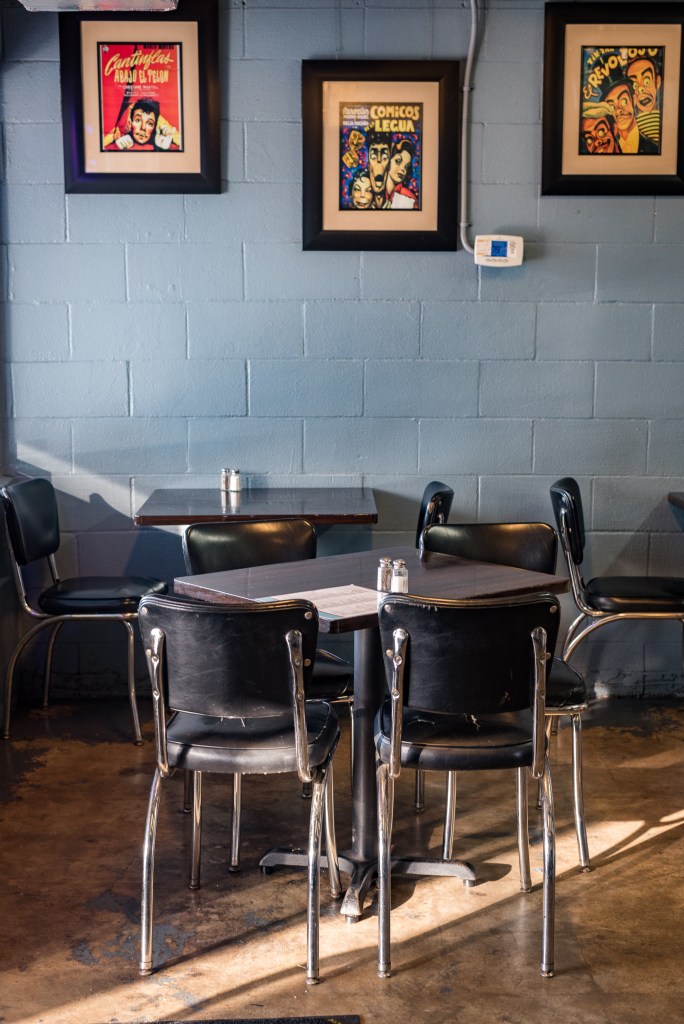
I’m still skeptical of the notion that “authentic” cuisine exists. Instead, I’m starting to see that each cuisine today exhibits the cooking of our ancestors, adapted to all the shifting landscapes in which it has been situated over the years. After all, how could we possibly expect a single ethnicity’s cuisine to stay the same when our climate and culture is constantly evolving?
 The Nourishing Chronicle